

Loadshedding involves intentionally cutting off electric power in specific areas of a distribution system to avert system-wide failure, known as a ‘grid blackout’.

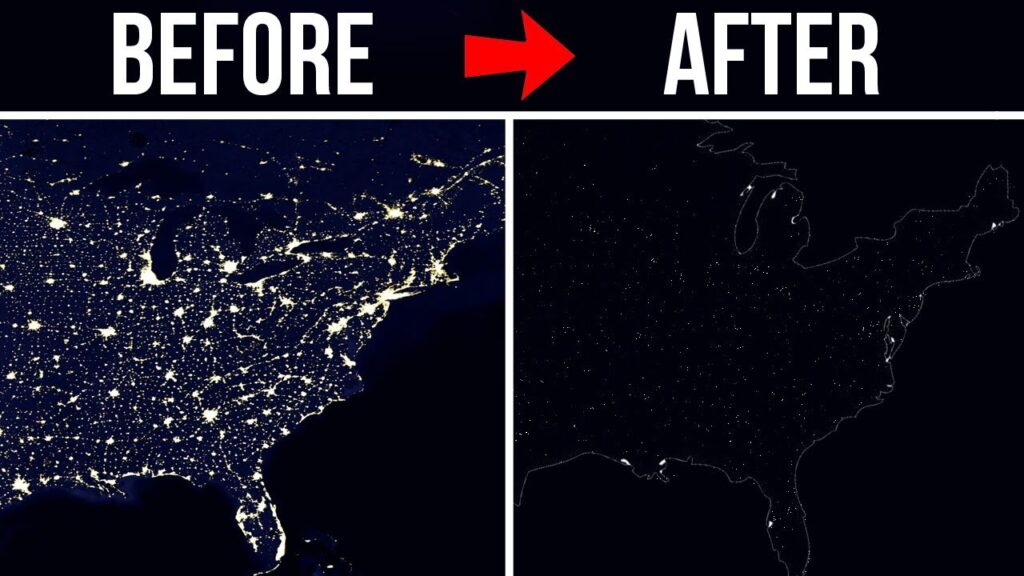
Essentially, when there are more people consuming power than being produced the system becomes unbalanced and collapses. It is a measure of last resort to prevent the collapse of the power system. An analogy that can be used to easily under “grid blackout” is “passing out” due to drinking more (using power) than the body (grid) can handle.
Causes
Several factors can lead to loadshedding, including the below:
- Extreme weather,
- Sharply increased electric demand,
- Unplanned generation plant outages,
- Transmission constraints,
- Unexpected damage to equipment,
- Unavailability of purchased power, and
- Unplanned demand growth.
Were the latter is true for developing countries due to now new developments of power generation plants to cater for population growth.
Real-world Examples of Loadshedding Mitigation
With coal power plants being phased out due to the renewable energy and climate change movement, number of countries are faced with issues of supplying based load energy to their residents. This has resulted in some countries implementing loadshedding to avoid grid failures. Some of the countries are:
- South Africa
- India
- Australia
- USA
Why is it necessary to have loadshedding?
When the grid system becomes unbalanced, it will eventually result in a collapse if it not mitigated by factors like loadshedding. A number of blackouts have occurred around the world resulting from one or more causes lists above and in some cases services were only restored after 72 hours. Meaning an entire city being on hold for 72 hours. To avoid economic, livelihood, service losses to the entire country or city it is best to mitigate the issue at a lower level.
Sources:
Major Countries with Load Shedding | Elum Energy
Grid monitor warns of blackout risks as coal plants retire | E&E News

Related Posts

What Is The Difference Between Grid Following Vs Grid Forming

For Anyone Confused by EV Charger, Start Here
