
Have you ever wondered why is Eskom implementing load reduction even when loadshedding is on pause? With South Africa’s chilly winter nights, rising electricity theft, and careless power use, the grid is feeling the strain. Let’s dive into what load reduction really is, why it’s necessary, and how you can play a part in keeping the lights on.
Key Takeaways
- Eskom has implemented load reduction in 7 provinces due to network overloading.
- Overloading is caused by increased demand, electricity theft, and cold weather resulting in higher demand.
- Load reduction prevents damage to transformers and substations.
- Community involvement is crucial in reducing overloads and theft.
- Simple Energy saving tips can make a big difference.
Understanding Load Reduction
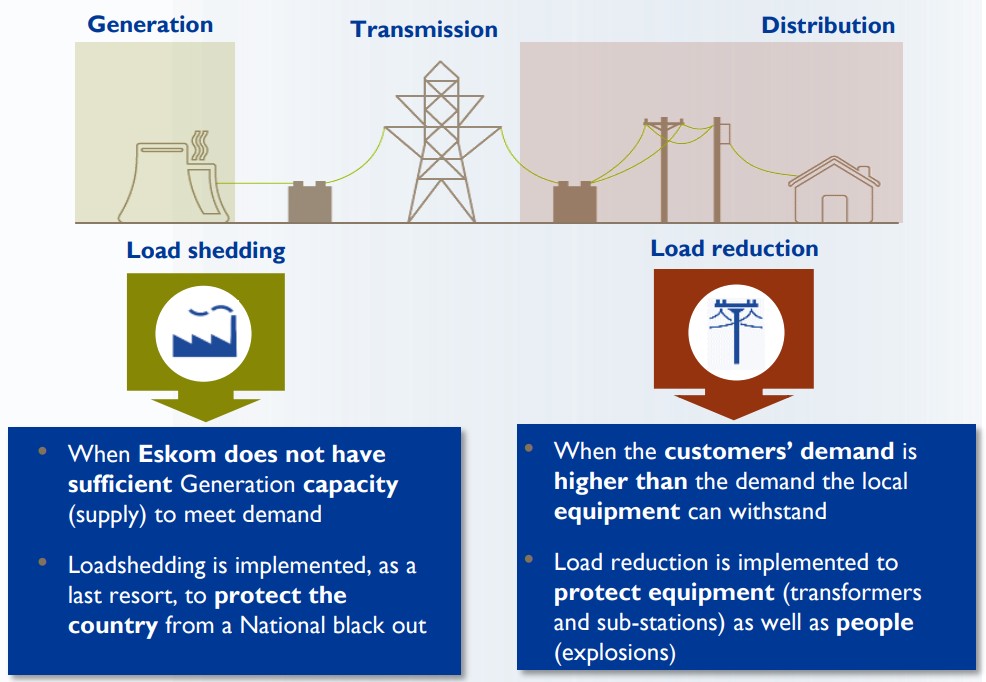
Unlike loadshedding, which is a controlled blackout due to insufficient generation capacity, load reduction is more of a proactive measure. Eskom uses it when demand exceeds what local infrastructure can handle. This prevents dangerous situations like transformer explosions.
It works by temporarily cutting power to specific, localized areas to prevent grid infrastructure from overloading and failing during periods of high demand. This is different from load shedding, which involves scheduled, widespread power cuts across larger, pre-determined areas. Load reduction specifically targets neighborhoods with high electricity consumption or theft, often during peak hours, to protect local equipment like transformers from being damaged.
Why Now?
- Cold Weather: Heaters spike energy use.
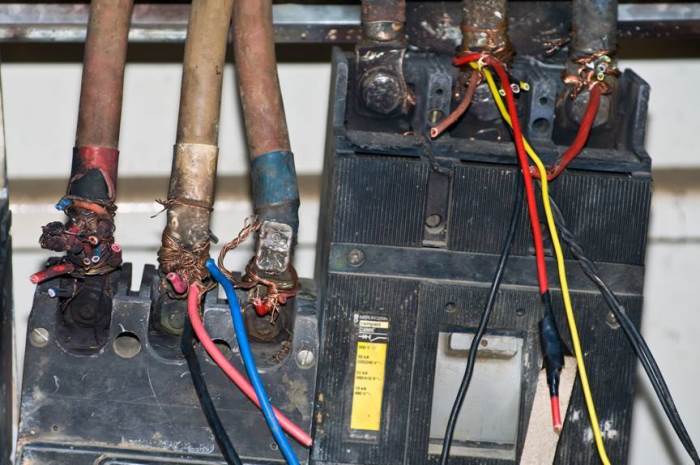
- Electricity Theft: Illegal connections overload the grid.
- High Demand Areas: Gauteng, Western Cape, and others are hotspots.
Impact of Overloading:
- Transformers at Risk: 2,111 frequently overloaded; 900 need replacement.
- Outages: Damaged transformers can leave areas dark for up to six months.
The Real Life Consequences
Consider the story of Thandi from Johannesburg. Last winter, her neighborhood faced frequent power cuts due to overloaded transformers. “It was frustrating,” she recalls. “We had to rely on candles and gas stoves.” Thandi’s experience is common, highlighting the urgent need for solutions.
Tackling Electricity Theft
Electricity theft is a major culprit behind overloading. It includes illegal connections, meter tampering, and buying power from unauthorized vendors. This not only damages infrastructure but also poses safety risks.
Eskom’s Efforts:
- Community Engagement: Educating on safe electricity use.
- Infrastructure Investment: Upgrading capacity in high demand areas.
- Reporting Mechanism: Encouraging the public to report theft via the Eskom Crime Line.
Practical Tips to Reduce Load
You can make a difference! Here are some easy ways to cut down on electricity use:
- Switch Off Appliances: Unplug devices when not in use.
- Energy Efficient Bulbs: Use LED lights to save power.
- Limit Heater Use: Dress warmly and use blankets instead.
- Time Your Usage: Avoid using heavy appliances during peak hours (05:00-09:00, 17:00-21:00).
Conclusion
Load reduction is a necessary step to safeguard South Africa’s power infrastructure. By understanding its causes and adopting energy saving habits, we can all contribute to a more stable electricity supply. Remember, every small effort counts!
FAQ Section
Q1: How often does load reduction occur?
A1: It typically happens during peak demand times, early mornings and late afternoons. The load reduction schedules can be viewed here.
Q2: Can I be exempted from load reduction?
A2: Unfortunately, the network’s setup doesn’t allow for separate supply lines to paying customers.
Q3: How can I report electricity theft?
A3: Contact the Eskom Crime Line at 0800 112 722.
Q4: What should I do during this period?
A4: Turn off non essential appliances and use alternative lighting like LED bulbs.
By staying informed and proactive, we can all help ensure a reliable power supply for South Africa. Let’s work together to keep the lights on!
Leave a Reply