
Solar Energy Basics: Understanding Solar Cells and Panels
Ever wondered how those sleek panels silently convert sunshine into electricity? Today, let’s delve into the fascinating world of solar cells and panels, the hidden heroes behind in the renewable energy transition.
Key Takeaways:
- Sunlight packs a powerful punch of energy harnessed by solar cells through a phenomenon called the photovoltaic effect.
- Solar cells are semiconductors crafted together to create an electric current when struck by sunlight.
- Multiple interconnected solar cells form a solar panel, generating enough electricity to power homes and businesses.
- Modern solar panels are incredibly durable and efficient, lasting for decades and constantly improving.
- Solar energy isn’t just about generating electricity; it’s a sustainable solution for a cleaner future.
From Tiny Solar Cells to Powerful Panels: Building Blocks of Solar Panels
To understand how solar panels work, start by examining their key components. Manufacturers carefully design each part to produce highly efficient panels.
Here’s a breakdown of a typical solar panel:
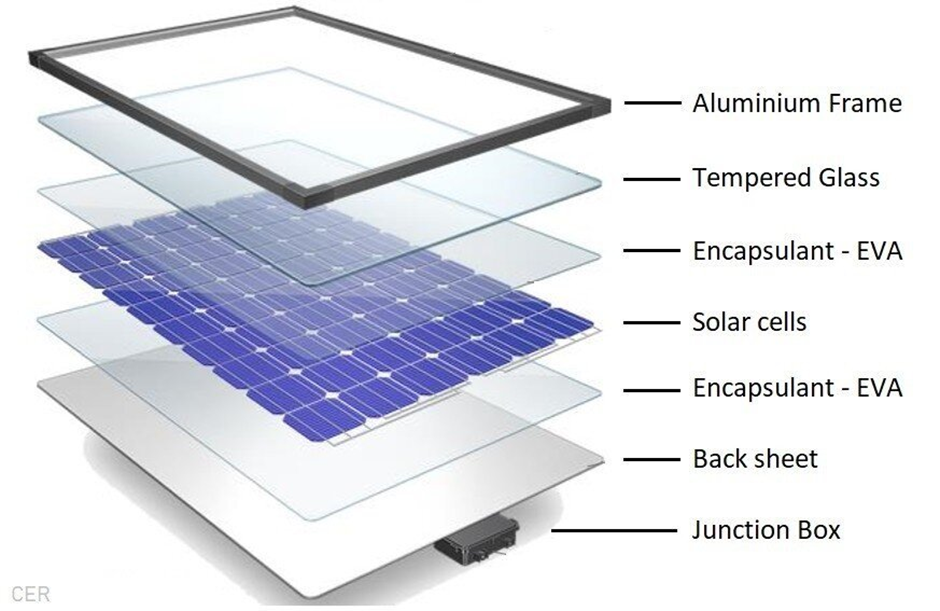
| Component | Function |
|---|---|
| Aluminium Frame | Encases the panel and provides mounting points |
| Tempered Glass | Protects the cells from weather and debris |
| Encapsulant – EVA | Binds and protects the cells from moisture and damage |
| Solar Cells | Convert sunlight into electricity |
| Back Sheet | Provides structural support and protects against the elements |
| Junction Box | Provides connection points to solar panel |
Demystifying the Photovoltaic Effect: Sunshine’s Hidden Power
Imagine sunlight as tiny packets of energy called photons. These photons carry immense potential, and that’s where solar cells come in. Solar cells absorb some of these photons, typical in the visible light spectrum. This absorbed light produces electrical charges in the depletion zone of the PN junction of solar cell. This creates a potential difference, and when the circuit is complete, current starts to flow. This is what is called the “Photovoltaic effect“. Here’s the magic:
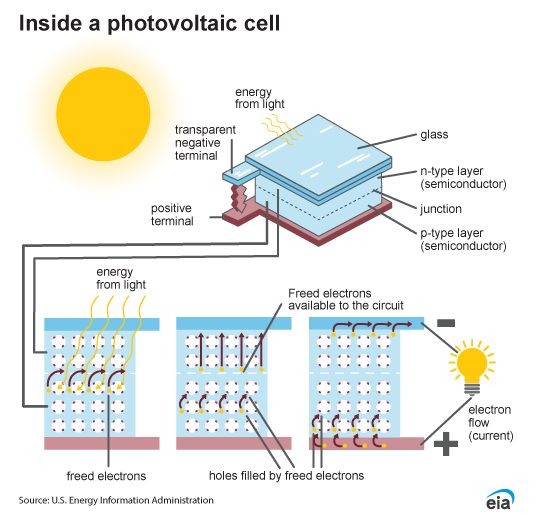
A single solar cell can only generate a small amount of electricity. That’s where solar panels come in! Imagine a team effort – numerous solar cells are interconnected and encased within a protective frame to form a solar panel.
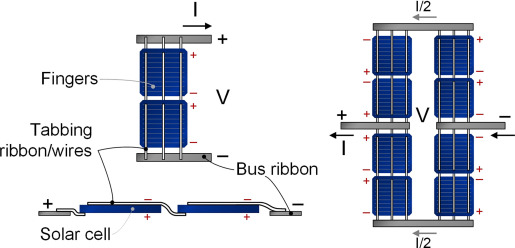
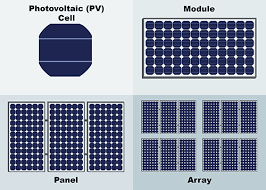
Connecting the Dots: These interconnected cells act like a team, generating a much higher voltage and current, making the panel a viable source of electricity.
Did you know? Modern solar panels are incredibly durable, with lifespans exceeding 25 years! Additionally, research by the National Renewable Energy Laboratory (NREL) shows that solar panel efficiency is constantly improving. As a result, modern panels convert sunlight into electricity more effectively than ever before. – NREL
Beyond Electricity: The Broader Impact of Solar Panels
Generating electricity has been the most prominent application for solar energy. The impact has gone beyond merely powering homes and businesses. Here are a few intriguing possibilities:
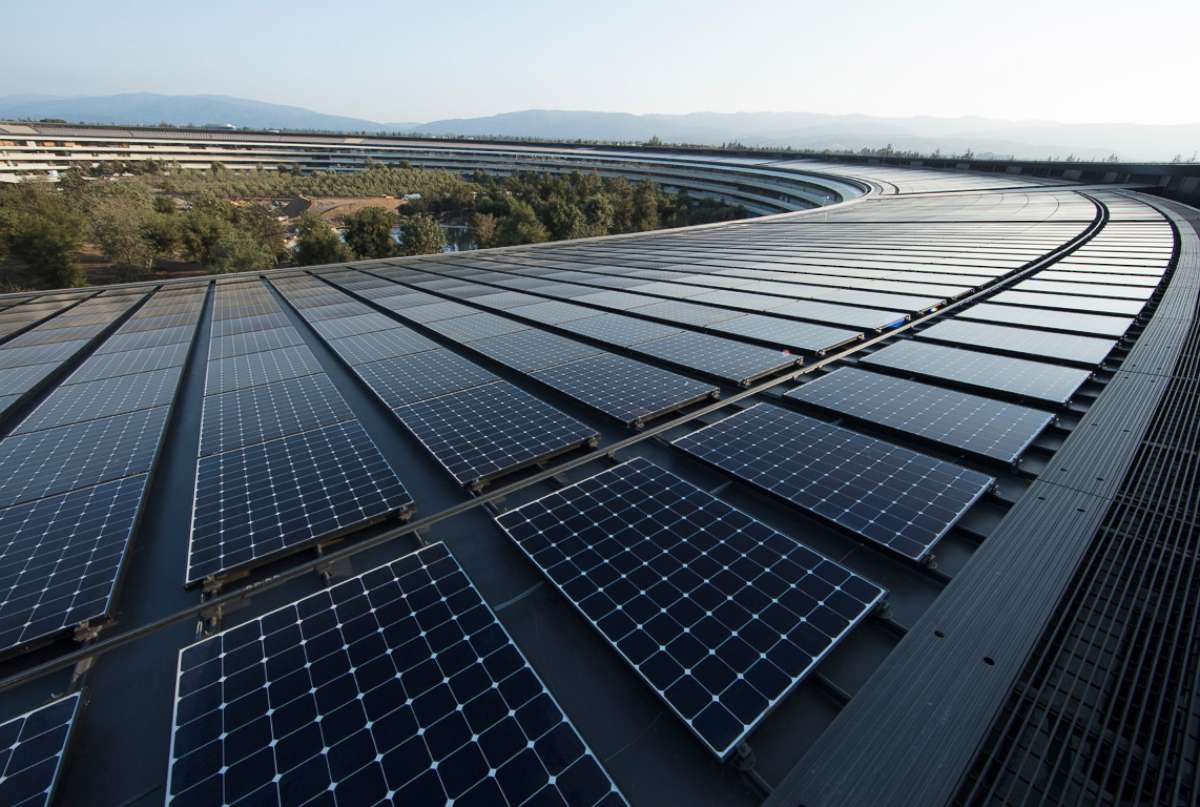
- Desalination: Solar-powered desalination plants can convert saltwater into freshwater, a critical resource in water-scarce regions (Source: International Renewable Energy Agency – https://www.irena.org/).
- Transportation: Imagine electric cars powered by the sun! Solar energy can be used to charge batteries for electric vehicles, paving the way for a cleaner transportation future (Source: Department of Energy – https://www.gao.gov/fossil-and-alternative-fuels).
- Disaster Relief: Portable solar panels can provide vital electricity during natural disasters when the grid is down. This ensures essential services remain operational (Source: United Nations Office for Disaster Risk Reduction – https://www.undrr.org/).
As solar technology continues to evolve, we can expect even more innovative applications that will positively impact our world.
Thinking Beyond the Panel: Now that you understand the basics of solar panels, you might be curious about how they connect to form a complete solar system and what it takes to go solar. Stay tuned for future blog posts where we’ll delve deeper into these topics!
Leave a Reply