




What is Sustainability
Sustainability has become a critical concept in today’s world, encompassing environmental, social, economic and energy dimensions. Sustainability is the ability to meet the needs of the present without compromising the ability of future generations to meet their own needs. This blog post will delve into the reasons why sustainability is so important, focusing on environmental conservation, social equity, economic stability, clean energy production.
Environmental Sustainability
One of the primary reasons why sustainability is crucial is its role in environmental conservation. Our planet is facing unprecedented challenges such as climate change, deforestation, loss of biodiversity, and pollution. By adopting sustainable practices, we can mitigate these issues and preserve the environment for future generations. Sustainable practices like renewable energy sources, waste reduction, and conservation of natural resources help in reducing our carbon footprint and minimizing environmental degradation.
Social Equity
Sustainability is also crucial for promoting social equity and justice. In a sustainable society, resources are distributed fairly, and all individuals have access to basic necessities like clean water, food, healthcare, and education. By addressing social issues like poverty, inequality, and discrimination, sustainability aims to create a more inclusive and equitable world for everyone. For example, sustainable agriculture practices not only protect the environment but also ensure food security for communities by promoting local food production and reducing food waste. Investing in sustainable infrastructure like public transportation and affordable housing can improve the quality of life for marginalized populations and reduce social disparities.
Economic Sustainability
Another key aspect of sustainability is its impact on economic stability and long-term prosperity. Sustainable development seeks to balance economic growth with environmental protection and social well-being, creating a more resilient and stable economy. By integrating sustainability into business practices and policies, companies can drive innovation, reduce costs, and enhance their reputation. For instance, businesses that prioritize sustainability often experience increased efficiency, reduced waste, and improved resource management, leading to long-term cost savings and competitive advantages. Investing in sustainable technologies and practices can also open up new markets, attract environmentally conscious consumers, and drive economic growth in a more sustainable manner.
Clean Energy Production
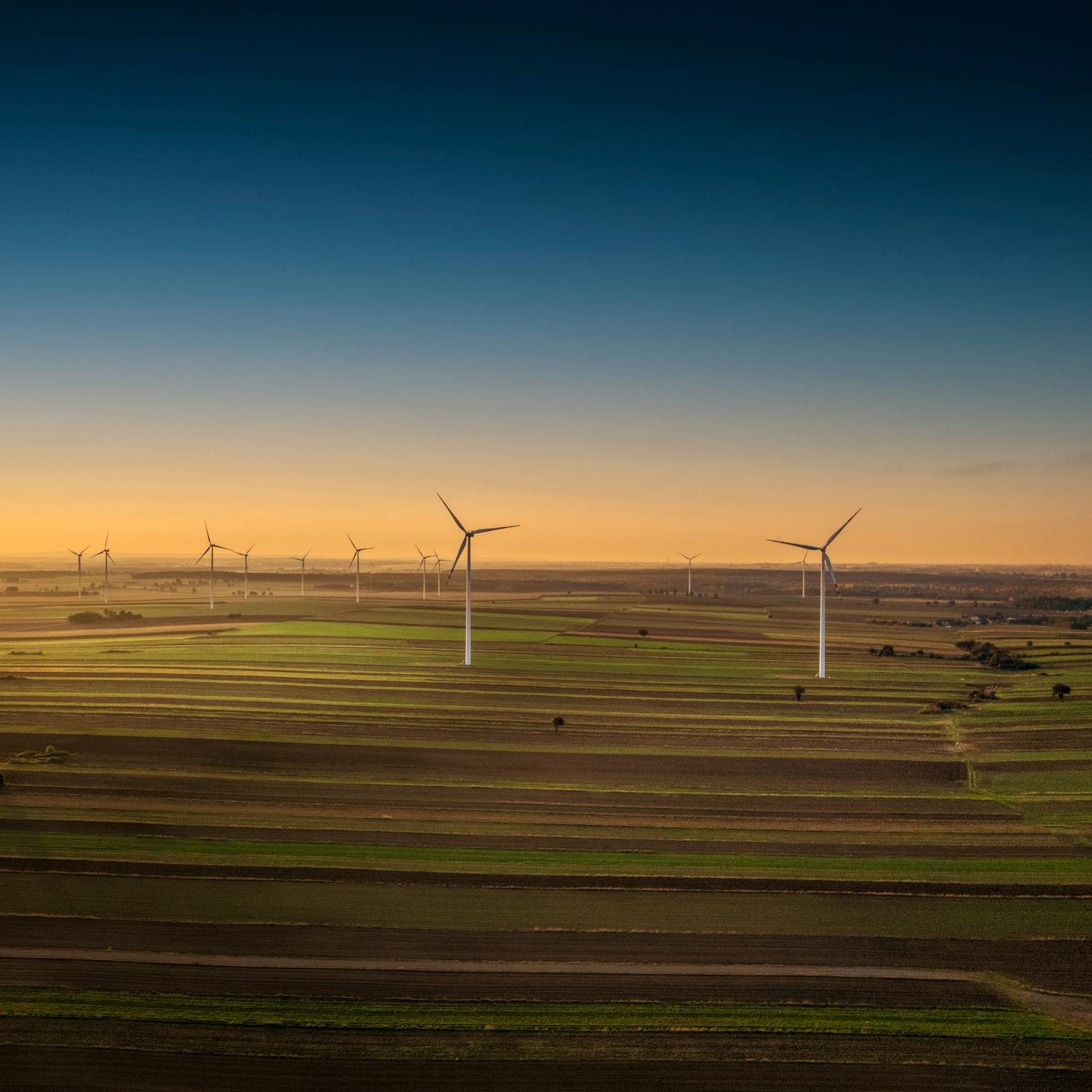
With the growing concern of climate change, clean energy production plays a big role in reducing the carbon footprint. This is evident in the change of weather patterns. It is important more than ever to consider sustainable ways of energy production. For instance, transitioning to renewable energy sources like solar and wind power can significantly reduce greenhouse gas emissions, combatting climate change. Conserving forests and biodiversity ensures the preservation of ecosystems that provide essential services like clean air, water, and food.
Conclusion
In conclusion, sustainability is essential for addressing the interconnected challenges facing our planet today. By embracing sustainable practices in environmental conservation, social equity, economic stability and clean energy production, we can create a more resilient, equitable, and prosperous world for current and future generations. It is imperative that individuals, businesses, and governments work together to prioritize sustainability and make conscious choices that benefit not only the present but also the future of our planet.
Leave a Reply