
What is Water Pollution?
By definition, water pollution is defined as the release of substances into subsurface groundwater or into lakes, streams, rivers, estuaries, and oceans to the point that the substances interfere with beneficial use of the water or with the natural functioning of ecosystems. This interreference is harmful in nature and can be physical, chemical or biological. In this blog post, we will look at what is water pollution; causes of water pollution; effects of water pollution and solutions to water pollution
Key Takeaways Upfront:
- Beyond the Obvious: Water pollution encompasses more than just visible pollutants like plastic. It includes chemicals, pathogens, and even excess nutrients that disrupt delicate ecosystems.
- A Multitude of Culprits: The sources of water pollution are numerous, ranging from industrial waste to agricultural runoff and even everyday household activities.
- A Ripple Effect: The consequences of water pollution are far reaching, impacting aquatic life, human health, and even the global climate.
- Prevention is Key: Fortunately, there are ways to prevent water pollution in our homes, communities, and industries. Every action, big or small, counts!
- More Than Just a Statistic: Water pollution is a complex issue, but awareness is the first step towards change. Let’s explore the facts to understand its true scope
Types of Water Pollution.
Water pollution is a silent threat lurking beneath the surface of our seemingly pristine lakes, rivers, and oceans. It’s an issue that impacts everyone, and understanding it is the first step towards protecting this vital resource. Most people are not aware that they are polluting and this can be evident in poor townships were there are no basic services for waste collection as well.
Knowing the types of pollution and what is considered water pollution is the first step. Below are the different categories of water pollution and their pollutant agents.
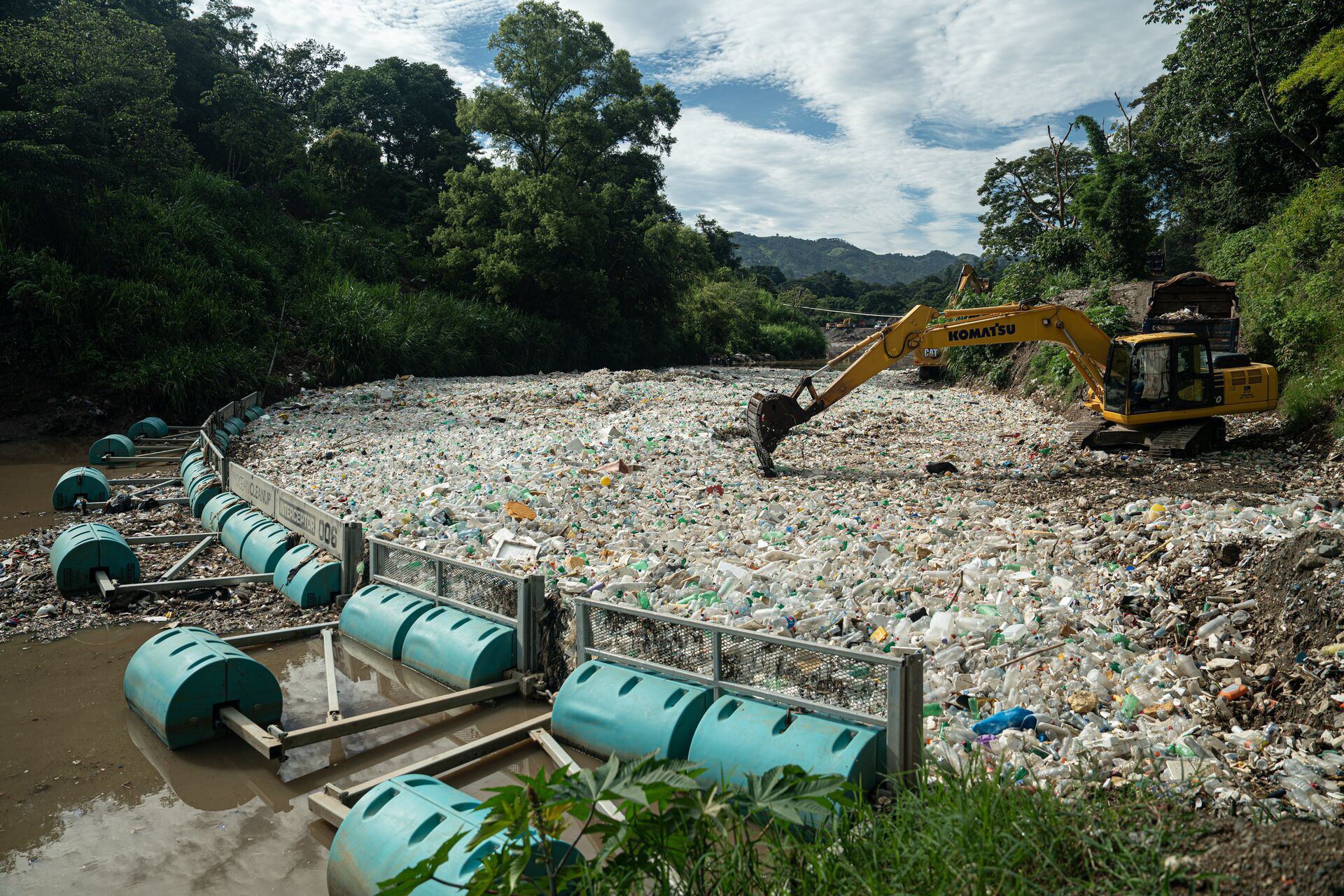
Physical Water Pollution:
- Plastic waste
- Debris
- Sediment
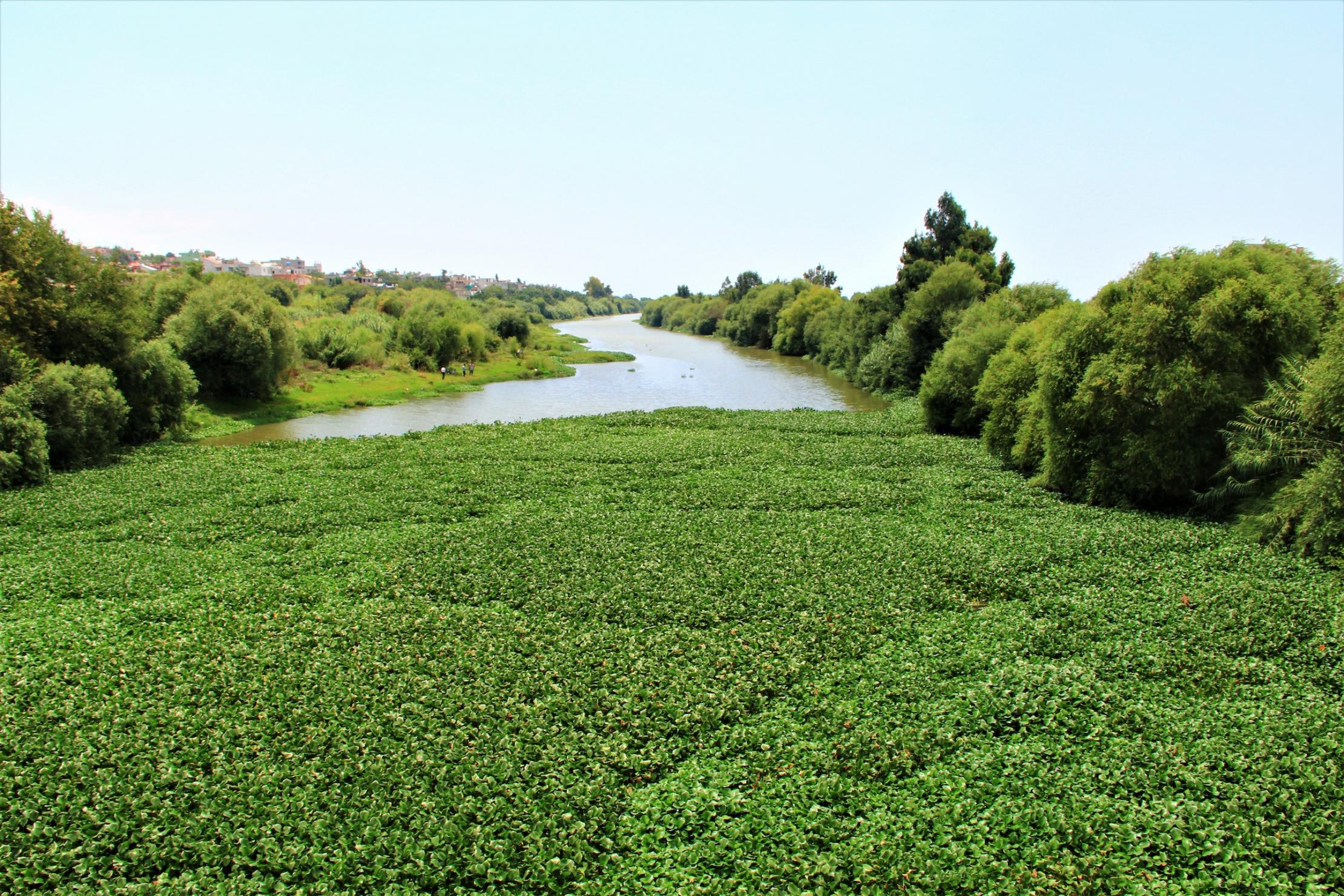
Biological Water Pollution:
- Pathogens from sewage
- Bacteria
- Algae blooms
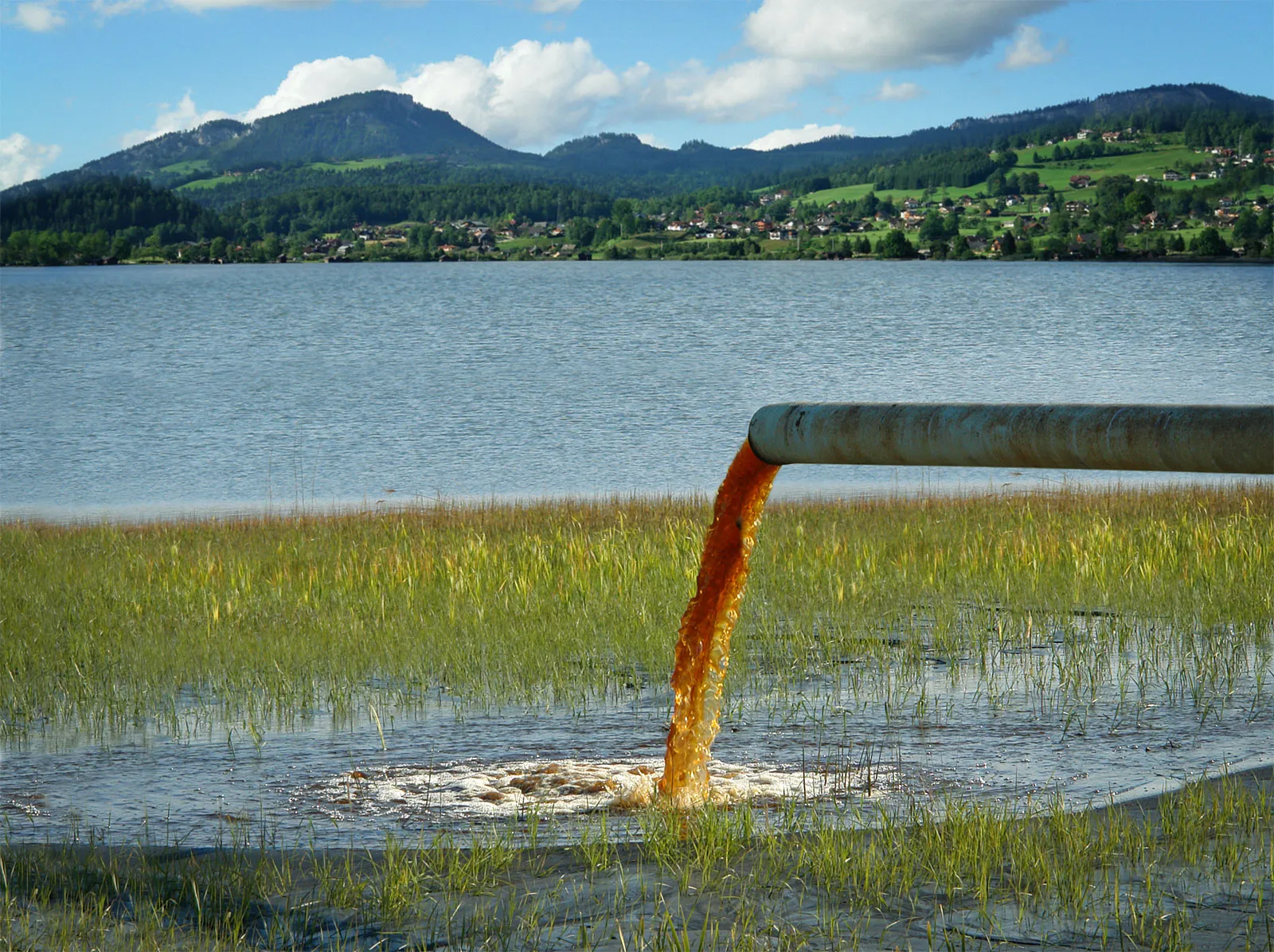
Chemical Water Pollution:
- Industrial waste
- Fertilizers
- Pesticides
- Pharmaceuticals
Water pollution can also be caused by excessive nutrients: nitrogen and phosphorus that disrupt the natural balance of aquatic ecosystems and the environment. Imagine a healthy lake turning into a murky green soup. That’s what excess nutrients can do!
What Causes Water Pollution?
The sources of water pollution are numerous and often interconnected. Here are some of the main culprits:
- Industrial Waste: Factories and manufacturing plants can discharge untreated chemicals, heavy metals, and other harmful toxins into waterways.
- Agricultural Runoff: Fertilizers, pesticides, and animal manure from farms can leach into water bodies, causing excessive nutrient levels and oxygen depletion.
- Urban Runoff: Stormwater runoff from streets, parking lots, and lawns carries pollutants like oil, debris, and pet waste into storm drains that eventually lead to rivers and oceans.
- Sewage and Wastewater: Untreated sewage and inefficient wastewater treatment plants can contaminate water with harmful bacteria and pathogens.
- Oil Spills: Accidental spills and leaks of oil and other petroleum products can have devastating consequences for marine life and coastal ecosystems.
Beyond the Obvious: Even household activities like using harsh chemicals, pouring used cooking oil down the drain, and overusing antibiotics can contribute to water pollution.
Info Table: Common Causes of Water Pollution
| Cause | Description | Example |
|---|---|---|
| Industrial Waste | Untreated chemicals, heavy metals, toxins | Factory discharge |
| Agricultural Runoff | Fertilizers, pesticides, animal waste | Farmland runoff |
| Urban Runoff | Oil, debris, pet waste carried by rainwater | Storm drain overflow |
| Sewage and Wastewater | Untreated sewage, inefficient wastewater treatment | Raw sewage discharge |
| Oil Spills | Accidental leaks or spills of petroleum products | Tanker accidents |
The Chilling Truth of Water Pollution
We toss trash without thinking, plastic bags, bottles, wrappers because “someone else will clean it up.” But that trash doesn’t disappear. It clogs drains, floods streets, and poisons your water. Your kids play in filth, drink contaminated water, and get sick. Yet you keep littering, pretending it’s not your problem. Wake up. The mess we ignore today will kill tomorrow. When disease spreads and your family suffers, will you still blame the government? Or will you finally take responsibility? Stop waiting for miracles. Let’s clean our streets, protect our water or we watch our communities drown in its own waste.
Source
Water pollution | Definition, Causes, Effects, Solutions, Examples, Types, & Facts | Britannica
What is Water Pollution? | Causes and Effects – Iberdrola | iberdrola
What are the Causes of Water Pollution? | ECU Online
Water Pollution: How Is It Impacting Everyone? – Mountain Falls
Leave a Reply